3D Recycling Icon in Vector Design Review
As a designer who spends half her life staring at stitch density charts and the other half trying to convince clients that "eco-friendly" branding requires more than just green thread, I approach every new Illustrations and Graphics asset with a healthy dose of skepticism. The market is flooded with vector files that look stunning on a screen but fall apart under the needle. Today, I am evaluating the 3D Recycling Icon in Vector Design, a file marketed as a high-quality SVG, PNG, and JPG set for immediate download and print. But does it translate well to the physical world of embroidery? Can it hold up in a real-world application like a custom tote bag or a boutique sweatshirt?
First Impressions: The Digital-to-Physical Gap
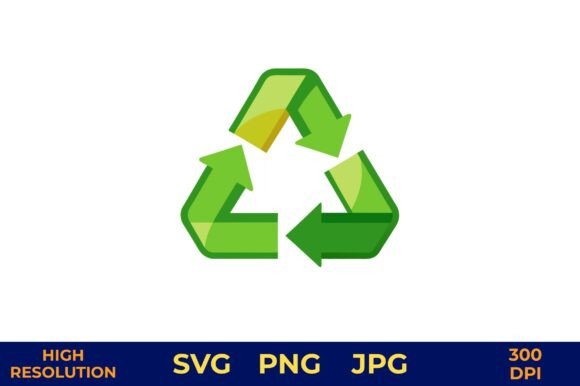
The first thing you notice about this design is its clean, isolated presentation. The green recycling symbol is rendered with a pseudo-3D effect, giving it depth and dimension even before it hits the hoop. For an embroidery project centered around sustainability, environmental awareness, or zero-waste lifestyles, the visual personality is spot-on. It feels modern, crisp, and professional.
However, as an experienced reviewer, my job is to look past the pretty preview image. When converting a vector graphic into an embroidery file, the challenge lies in simplification. A complex 3D render often contains gradients and subtle shading that do not translate well into thread. If this design relies heavily on fill stitches to mimic lighting effects, it may become stiff or bulky. Conversely, if it uses clever applique techniques or strategic satin stitching to create the illusion of depth, it could be a standout piece. The fact that it is provided as a vector source (SVG) suggests it is scalable, which is excellent for resizing within your software, but you must still verify how the digitizer interpreted those curves into stitches.
Real-Life Application: From Screen to Stitch
Let’s imagine a specific scenario. You are preparing merchandise for an upcoming craft fair or updating your Etsy shop with new seasonal inventory. You decide to create a line of reusable grocery bags and kitchen towels featuring sustainable symbols. This is where the 3D Recycling Icon in Vector Design shines conceptually. The theme is universally recognized, making it an instant conversation starter for customers who value eco-conscious living.
When applied to a sturdy canvas tote bag design, the icon serves as a bold focal point. It works beautifully as a chest logo on a sweatshirt embroidery project for a local environmental group or a personalized gift for a friend who has recently started composting. The design’s simplicity allows it to function effectively as an embroidered patch that can be sewn onto denim jackets or backpacks, adding a touch of activism to everyday wear.
I also see potential in nursery decor. While less common, a subtle version of this symbol on a baby blanket or bib could appeal to parents raising children with future generations in mind. In these contexts, the handmade product aspect adds emotional value, transforming a simple graphic into a meaningful keepsake. The design’s versatility extends to commercial embroidery for businesses looking to brand their staff uniforms with a commitment to sustainability, provided the scale is appropriate.
Technical Considerations and Fabric Choices
No design exists in a vacuum, and fabric choice is critical when working with graphics that have sharp lines and distinct shapes. The 3D Recycling Icon in Vector Design likely features defined edges. On smooth fabrics like cotton twill or polyester blends, these edges will appear crisp and professional. However, caution is advised when using textured fabrics such as heavy wool, terry cloth, or bouclé. The texture can obscure the fine details of the recycling arrows, making the symbol look muddy or indistinct.
Stretchy fabrics present another hurdle. If you plan to embroider this onto a cap or a fitted shirt, ensure you use a cut-away stabilizer to prevent puckering. Distortion in the circular or triangular elements of the recycling symbol can make the design look unprofessional. Similarly, dark fabrics require careful consideration of thread colors. If the design includes white or light-colored elements, you may need a backing layer to prevent show-through, which can add bulk. Always test your stitch density on scrap fabric first to ensure the thread tension holds up without breaking or causing bird’s nests.
Where to Use With Caution
- Small Hoop Sizes: If the design is too large for a 4x4 hoop, details may become lost. Ensure the final stitched size retains enough resolution for the arrows to be recognizable.
- Dense Stitch Areas: Avoid placing this design over existing seams, zippers, or pockets, as the added thickness can cause discomfort or machine errors.
- Curved Surfaces: Embroidering directly onto a curved cap brim requires precise hooping. A flat layout might be safer for beginners.
- Frequent Washing: For items like aprons or tea towels that undergo rigorous laundering, check that the applique design or satin stitches are secure enough to withstand friction and water exposure.
Visual Appeal and Brand Consistency
From a branding perspective, this design offers strong recognition. The recycling symbol is a global icon, instantly communicating values without the need for text. This makes it ideal for small shop products where visual communication needs to be quick and effective. When used in printable mockups for digital sales, the clean vector nature ensures it looks sharp across various backgrounds.
The "3D" aspect, if executed well in the digitized version, adds a layer of sophistication. It moves beyond a flat, generic clip-art feel, elevating the perceived value of the finished product. Customers are more likely to trust a brand that presents polished, high-quality embroidery. This design supports that professionalism by offering a balanced composition that doesn’t feel cluttered or overly busy.
Practical Designer Notes
Before committing to a full production run, I strongly recommend the following steps:
- Test on Scrap Fabric: Always run a test stitch-out to check for tension issues and color contrast.
- Review Stitch Density: Ensure the fill stitches are not so dense that they create a hard plastic-like feel on soft garments.
- Check Licensing: Since this is sold as a digital asset, confirm whether you have commercial rights to sell finished embroidered items. This is crucial for Etsy sellers and craft business owners.
- Inspect Small Details: Zoom in on the arrow tips. Are they rounded or pointed? Do they overlap cleanly? Poor digitizing here can lead to thread breaks.
- Black and White Mockup: Convert the design to grayscale to ensure the contrast remains strong without relying on the green hue alone.
In conclusion, the 3D Recycling Icon in Vector Design is a solid candidate for designers looking to tap into the sustainable fashion and home goods market. Its clean aesthetic and universal theme make it adaptable for everything from personalized gifts to custom apparel. By paying attention to fabric selection, stabilizer choice, and licensing terms, you can transform this digital design assets into a tangible, high-value item that resonates with eco-conscious consumers.