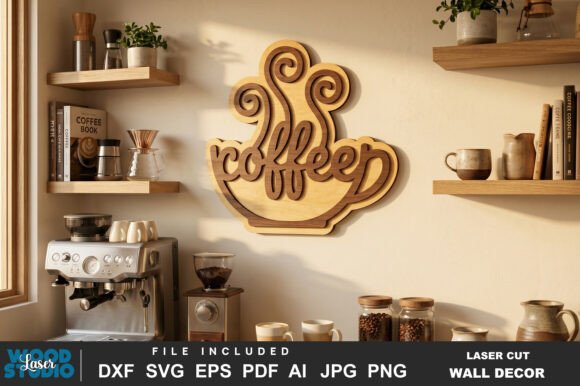
Coffee Cup Layered Laser Cut SVG Review
As a designer who spends half her life staring at stitch charts and the other half trying to sell handmade goods online, I don’t just look at an embroidery file; I look at its potential. When Coffee Cup Layered Laser Cut SVG landed in my inbox, my first thought wasn’t about the pixels on the screen—it was about the finished product on a customer’s chest or kitchen wall. The description highlights its origin in laser cutting, but for us in the machine embroidery world, the question is always: how does this translate when stitched?
This review breaks down exactly how I see this design fitting into real-world projects, from custom apparel to high-end boutique items. If you are an Etsy seller, a craft fair regular, or a hobbyist looking to elevate your personal gifts, here is my practical take on using this asset.
The First Impression: Mood and Visual Personality
There is a specific mood that coffee-themed designs evoke, and this one captures it well. It feels warm, inviting, and inherently cozy. The "layered" aspect mentioned in the title suggests depth, which is crucial in embroidery because flat images can sometimes look cheap if not executed with care. A layered approach allows for shadowing, texture variation, and a 3D effect that makes the design pop off the fabric.
Visually, the layout strikes a balance between detailed enough to be interesting but simple enough to remain legible from a distance. This is the sweet spot for commercial embroidery. It isn’t so intricate that it turns into a muddy mess of thread, yet it has enough personality to stand out in a crowded online marketplace. For a small business owner, this means higher perceived value. Customers are more likely to trust a brand that presents clean, professional-looking designs rather than cluttered ones.
Real-World Application: Where This Design Shines
I’ve been thinking through various scenarios where Coffee Cup Layered Laser Cut SVG would perform exceptionally well. Here are the top uses I envision based on current trends in the handmade market.
- Custom Apparel and Sweatshirts: Coffee lovers are a massive demographic. Placing this design on the front left chest of a heavyweight sweatshirt or as a larger graphic on the back creates an instant connection. It works particularly well for fall and winter collections, aligning perfectly with seasonal marketing.
- Kitchen Textiles: Tea towels, aprons, and kitchen towels are staple products for craft fairs. The theme fits naturally in a kitchen setting. Because coffee culture is huge, these items often serve as impulse buys or thoughtful housewarming gifts.
- Baby and Nursery Items: There is a growing trend toward personalized baby gear. A soft embroidered coffee cup on a burp cloth or a tiny bib adds a touch of humor and warmth for new parents who need their caffeine. It also translates beautifully to nursery decor, bridging the gap between functional items and aesthetic appeal.
- Tote Bags: Canvas tote bags are the canvas of the modern crafter. This design offers a great contrast point on natural-colored fabrics. It’s versatile enough to be used by students, office workers, or anyone who appreciates a good aesthetic.
Technical Considerations and Stitch Performance
Transitioning from a laser cut concept to a machine embroidery design requires careful planning. While the source may be vector-based for cutting, the embroidery file needs to account for thread behavior, tension, and fabric stability.
Stitch Density and Clarity: One of the biggest risks with layered designs is overcrowding. You want to ensure that the layers don’t compete for attention. In my experience, using a mix of satin stitches for outlines and fill stitches for the body creates the best visual hierarchy. If the stitch density is too high, the fabric might pucker, especially on lighter materials. Always check the stitch count before finalizing your production run.
Thread Color Strategy: The success of this design hinges on color choice. To maintain the "laser cut" illusion, you might use contrasting thread colors to define the layers. However, avoid overly bright neon threads unless you are going for a specific streetwear vibe. Earth tones, creams, browns, and deep blacks tend to yield the most professional results for this theme.
Where to Use Caution
No design is perfect for every situation. Here are areas where you should exercise caution when working with Coffee Cup Layered Laser Cut SVG.
- Small Hoop Sizes: If you are working with very small hoops (like 4x4 inches), pay close attention to the fine details. Tiny corners or thin lines can get lost or merge together during stitching. Test the design in a smaller hoop to ensure clarity.
- Textured or Stretchy Fabrics: Knits, jersey, and heavily textured fabrics can distort delicate layers. These fabrics require proper stabilizer support, such as tear-away or cut-away depending on the garment type, to prevent shifting. On stretchy fabrics, the design may warp if not hooped tightly and stabilized correctly.
- Dense Stitch Areas: Avoid placing dense fill stitches over seams or curved surfaces like caps without extra reinforcement. This can lead to needle breakage or poor stitch quality.
Boosting Product Value and Customer Trust
For digital product sellers and Etsy owners, presentation is everything. Using a high-quality design like this can significantly enhance your brand consistency. When customers see a cohesive, professional look across your listings, they perceive higher value.
Consider creating printable mockups that showcase the design on various products. Show it on a white t-shirt, a beige apron, and a dark hoodie. This helps buyers visualize the final product, reducing hesitation and increasing conversion rates. Furthermore, highlighting the "personalized gift" aspect in your descriptions can tap into the emotional buying triggers of your audience.
Practical Designer Notes Before You Start
Before you commit to a full production batch, follow these steps to ensure success:
- Test on Scrap Fabric: Always run a test stitch on the same type of fabric you plan to use. Check for puckering, thread breaks, and color accuracy.
- Review in Black and White: Convert your design mockup to grayscale. This helps you evaluate the contrast and layer separation without being distracted by color.
- Check Licensing: Ensure you have the correct commercial license if you intend to sell finished items. Different platforms have different rules regarding digital assets.
- Inspect Small Details: Zoom in on the design file. Are there any tiny elements that might not stitch cleanly? Simplify if necessary.
- Confirm Hoop Size: Make sure the design fits within your intended hoop size with adequate margin for stabilization.
In conclusion, Coffee Cup Layered Laser Cut SVG is a versatile and visually appealing asset that can elevate a wide range of embroidery projects. From custom apparel to home decor, its warm aesthetic and layered depth make it a strong contender for both personal use and commercial ventures. By paying attention to technical details like stitch density and fabric choice, you can create finished products that resonate with customers and reflect your professional standards.