Hiking Mileage Tracker Sign Laser Cut
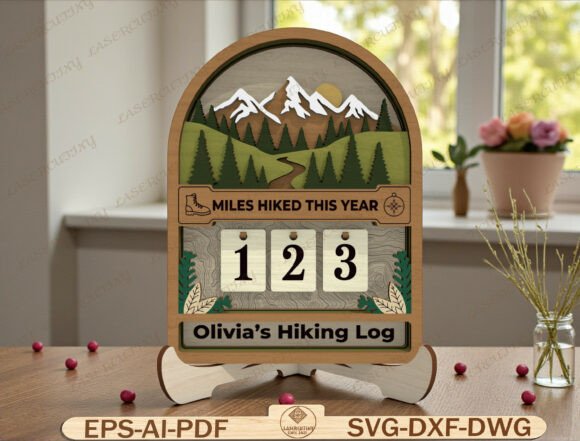
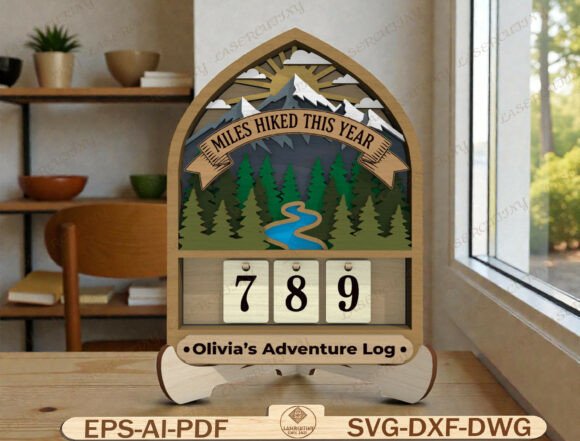
As a designer who spends more time troubleshooting stitch errors than admiring finished pieces, I approach every new digital asset with a mix of skepticism and hope. When I first pulled up the Hiking Mileage Tracker Sign Laser Cut design, my immediate reaction was one of cautious optimism. It falls squarely into the Graphic Templates and Graphics category, which often promises versatility but delivers mixed results in actual production. This particular piece, described as a “Miles Hiked This Year” wooden tracker SVG, is marketed for laser cutting, but its aesthetic translation to textile arts—specifically machine embroidery—is where the real value lies for crafters and small business owners.
The visual personality of this design is distinctively rustic yet modern. The scenic mountain landscape motif provides a strong narrative anchor, making it ideal for outdoor enthusiasts. However, from an embroidery perspective, the challenge lies in translating a vector-based graphic intended for rigid materials like wood or acrylic into soft, pliable fabrics. The mood it creates is one of accomplishment and adventure, a feeling that resonates deeply with hikers and campers. But does it stitch well? That is the question every embroidery designer needs to answer before committing to a full run.
Real-World Application: From Screen to Stitch
Let’s look at a practical scenario. Imagine you are preparing inventory for a local craft fair or restocking your Etsy shop for the upcoming holiday season. You decide to create a custom embroidered tote bag design featuring this tracker. The concept is simple: a durable canvas tote with the mountain range stitched across the front pocket, perhaps incorporating a satin stitch border to define the peaks. Or consider a sweatshirt embroidery project for a family reunion, where each member gets a personalized patch tracking their annual mileage.
In these contexts, the Hiking Mileage Tracker Sign Laser Cut shines because of its clear focal point. The mountain silhouette offers high contrast potential, which is crucial for readability on apparel and accessories. For a boutique product or small shop merchandise, this design allows for personalization—a key driver for customer engagement. Buyers love seeing their own name or specific mile markers integrated into a pre-designed framework. It transforms a generic item into a personalized gift that feels bespoke and thoughtful.
However, the transition from digital file to physical product requires careful planning. If you are using this as an applique design, the layered nature of the mountains can add significant texture and depth. By stitching different thread colors for the foreground and background peaks, you can create a 3D effect that mimics the actual landscape. This technique elevates the perceived value of the handmade product, allowing you to price it higher in the competitive market of handmade goods.
Technical Considerations for Embroidery Projects
While the artistic merit is evident, the technical execution demands attention to detail. Not all fabric textures handle complex graphics equally well. When evaluating how this design performs, we must consider the limitations of hoop size and stitch density. The intricate details of the mountain range, if not simplified, can become muddy when stitched at small scales. Tiny lettering or fine lines might disappear entirely on a textured fabric like wool or heavy denim.
I strongly advise testing the design on scrap fabric first. This step is non-negotiable for any professional looking to maintain brand consistency and customer trust. Start by inspecting small details under magnification. Are the paths clean? Is there enough space between elements to prevent thread breaks? Next, check the stitch density. If the design relies heavily on fill stitch areas without adequate backing, the fabric may pucker, ruining the silhouette of the mountains. Using the proper stabilizer is critical here; a cut-away stabilizer is usually recommended for garments and frequently washed items to maintain structural integrity.
Thread color selection plays a pivotal role in the final outcome. On dark fabric, light thread colors will pop, creating a striking contrast that highlights the scenic elements. Conversely, on light fabric, darker threads provide definition. I recommend testing it in black and white mockups early in the process. This helps you visualize the tonal values without being distracted by color choices, ensuring that the composition holds up regardless of the palette you choose.
Where to Use Carefully
There are specific scenarios where this design should be used with caution. Small hoop sizes can truncate the scenic view, breaking the visual flow of the mountain range. If you are designing for caps or hats, remember that curved surfaces distort flat graphics. The horizon line might appear warped, which could detract from the natural beauty of the landscape. Similarly, stretchy fabrics like jersey knits require additional stabilization techniques to prevent distortion during stitching.
Dense stitch areas can also pose challenges. If the design includes too many decorative accents or overlapping layers, it may become stiff and uncomfortable against the skin. This is particularly important for baby embroidery projects or items that will be worn directly against the body, such as aprons or t-shirts. In these cases, simplifying the design or reducing the stitch count ensures comfort without sacrificing aesthetics.
Commercial Viability and Licensing
For Etsy sellers and digital product sellers, understanding the licensing terms is essential. Before listing any finished items or digital previews, confirm whether the purchase allows for commercial use. Many graphic templates come with restrictions that limit how they can be monetized. Violating these terms can lead to serious legal issues and damage your reputation as a craft business owner.
When presenting your work, use printable mockups that accurately reflect the texture and drape of the final product. A realistic preview helps buyers visualize the finished product and reduces the likelihood of returns due to mismatched expectations. Highlight the customization options available, such as changing the year or adding names, to emphasize the unique value proposition of your offerings.
In conclusion, the Hiking Mileage Tracker Sign Laser Cut offers a compelling blend of artistic appeal and functional design. It is well-suited for a wide range of applications, from holiday embroidery gifts to everyday custom apparel. By paying close attention to technical details like stitch density, fabric choice, and stabilizer selection, designers can transform this graphic template into a standout piece that resonates with customers. Whether you are creating an embroidered patch for a backpack or a sophisticated sweatshirt embroidery for a client, this design provides a solid foundation for creative expression. Just remember to test thoroughly, respect licensing agreements, and always prioritize the quality of the finish. Your customers will notice the difference, and your commercial embroidery business will benefit from the professionalism and care you put into every stitch.