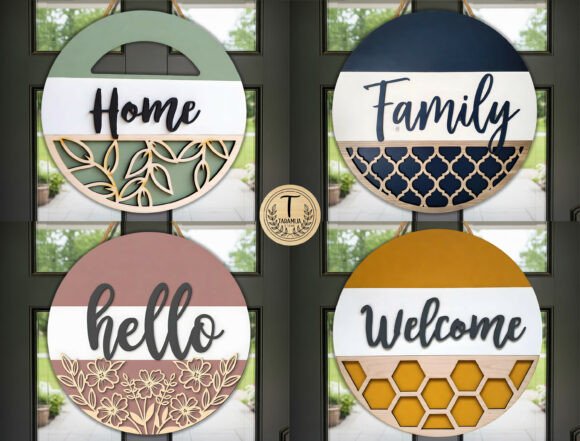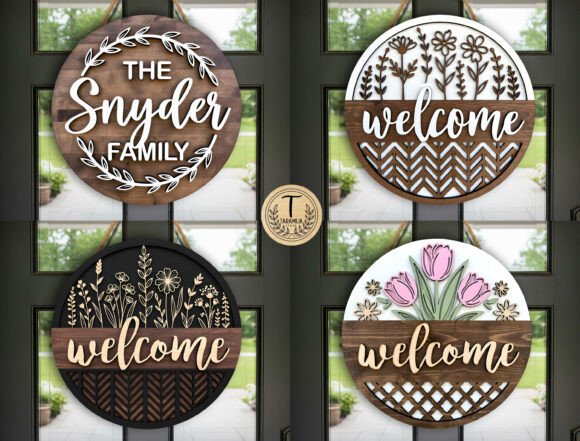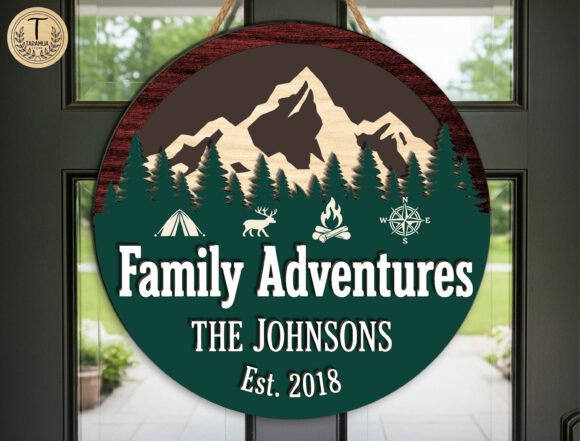
Personalized Name Sign SVG Bundle for Laser Cutting and Home Decor
In the world of digital publishing, visual assets are not merely decorative; they are functional tools that dictate user engagement, trust, and click-through rates. As a blog designer and digital publisher who has spent years refining editorial layouts and optimizing content for conversion, I approach every graphic design asset with a critical eye toward utility and aesthetic cohesion. Recently, I evaluated the Personalized Name Sign SVG Bundle, a collection of themed round sign designs marketed primarily for laser cutting and home decor projects. While its primary use case lies in physical crafting, its potential value for digital content creators—particularly those in the parenting, lifestyle, and DIY niches—is significant when viewed through the lens of editorial design and visual hierarchy.
First Impressions and Editorial Mood
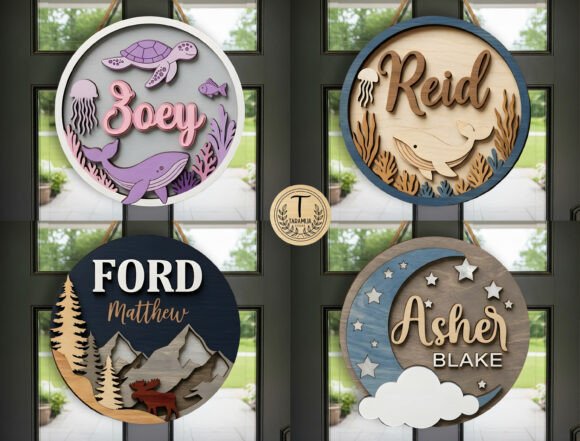
The moment you open the bundle, the thematic consistency is immediately apparent. Featuring motifs such as moons, whales, and trees, the designs evoke a serene, modern nursery aesthetic. For a publisher, this translates to a specific brand identity: gentle, trustworthy, and highly curated. In an era where readers skim content rapidly, the visual mood sets the stage for the entire reading experience. This asset does not scream for attention like bold, high-contrast corporate graphics; instead, it whispers sophistication. It supports a content niche that values calmness, child development, and thoughtful living.
From a web design perspective, the clean lines and rounded shapes of these SVGs offer excellent versatility. They avoid the clutter often associated with complex illustrations, allowing headlines and body text to remain the focal point. This clarity is crucial for maintaining reader trust. When your graphics look polished and intentional, your content is perceived as more authoritative. The playful yet professional nature of the Personalized Name Sign SVG Bundle makes it ideal for brands aiming to project warmth without sacrificing editorial standards.
Integrating Design Assets into Real Publishing Workflows
One of the most common questions I receive from small business owners and affiliate marketers is how to repurpose physical product assets for digital gain. The answer lies in understanding the difference between the product itself and the visual representation of the product’s lifestyle. Here is how this bundle can be integrated into a robust content marketing strategy:
- Pinterest Graphics and Pins: Pinterest is a visual search engine, and aesthetics drive clicks. Using these round sign designs as overlays or background elements for tips on nursery organization or baby name trends can significantly boost engagement. The circular shape naturally draws the eye to the center, perfect for placing key text or call-to-action buttons.
- Blog Featured Images: A consistent visual theme helps with category recognition. If you run a "Nursery Decor" category, using variations of these signs as thumbnails creates a cohesive grid on your homepage. This brand identity reinforcement encourages users to explore more articles.
- Digital Guides and Lead Magnets: For those creating downloadable resources, such as a "Ultimate Nursery Setup Checklist," these SVGs can serve as chapter dividers or cover art elements. They add a layer of creative design that elevates a simple PDF into a premium digital product.
- Newsletter Headers: Email open rates depend heavily on subject lines, but retention depends on readability and pleasant design. Subtle accents using these themes in email headers can make your newsletter feel like a cherished magazine rather than a spammy broadcast.
- Social Media Templates: For Instagram or Facebook posts, these designs work well as frames for quotes or before-and-after photos of room makeovers. They provide a consistent visual system that makes your social feed look professionally managed.
Impact on Content Performance and Reader Trust
Investing in high-quality design assets directly correlates with improved content performance. When a website looks outdated or uses low-resolution clip art, readers subconsciously question the quality of the advice provided. Conversely, a site with strong editorial design principles signals expertise.
The Personalized Name Sign SVG Bundle supports stronger first impressions by offering scalable vector graphics that remain crisp on any device. Whether viewed on a large desktop monitor or a small mobile screen, the lines stay sharp. This technical reliability is essential for website header elements and responsive images. Furthermore, the thematic variety (moons, whales, trees) allows for seasonal or topic-specific customization, keeping your content fresh without requiring new graphic design work from scratch. This efficiency is vital for publishers managing tight deadlines.
Strategic Placement for Maximum Visual Hierarchy
To maximize the effectiveness of these graphics, placement is key. They excel as hero images for introductory sections, providing a welcoming tone. They also work beautifully as editorial accents, breaking up long blocks of text to maintain reader interest. However, they should be used sparingly to avoid visual fatigue. Think of them as spices in a dish—enhancing the flavor without overwhelming the main ingredient, which is your written content.
Where Caution Is Required
No single asset fits every context. There are specific scenarios where the Personalized Name Sign SVG Bundle may not be appropriate:
- Small Mobile Thumbnails: Due to the intricate details within the round sign designs, scaling them down too far can result in pixelation or loss of detail. Always test these at thumbnail size.
- Text-Heavy Blog Images: Avoid placing dense paragraphs of text over these designs. The decorative nature of the signs competes with readability. Use them behind short headlines or pull quotes only.
- Low-Contrast Backgrounds: Ensure there is sufficient contrast between the graphic and the background. Light-colored signs on light backgrounds will disappear, hurting accessibility and user experience.
- Corporate or Serious Professional Niches: If your brand voice is strictly formal or B2B-focused, the playful nursery theme may undermine your authority. Reserve this asset for lifestyle, parenting, or creative industries.
Practical Publisher Notes for Implementation
Before integrating these files into your live site, follow these best practices to ensure optimal performance and legal compliance:
- Test Across Devices: Preview your designs on both desktop and mobile screens. Check how the SVG renders in different browsers.
- Check Contrast and Readability: Place your headline text over the graphic and ensure it remains legible. Adjust opacity or add subtle shadows if necessary.
- Font Pairing: Experiment with typography. These designs pair well with clean sans-serif fonts for modern looks, or elegant script fonts for a more whimsical feel. Avoid pairing them with overly busy handwritten fonts.
- File Size Optimization: Even though SVGs are lightweight, ensure your final composition is optimized for web performance. Compress any raster elements included in the design.
- Verify Commercial Licensing: This is critical for monetized websites, affiliate pages, and paid content products. Confirm that you have a valid commercial license before using these assets in any revenue-generating capacity. Most marketplaces require separate licenses for commercial use versus personal crafting.
In conclusion, the Personalized Name Sign SVG Bundle is more than just a file for laser cutters; it is a versatile tool for digital storytellers. By leveraging its clean, thematic designs, bloggers and publishers can enhance their content marketing efforts, create more engaging social media graphics, and build a stronger brand identity. When used thoughtfully, these design assets contribute to a polished, professional online presence that resonates with readers and drives meaningful engagement.