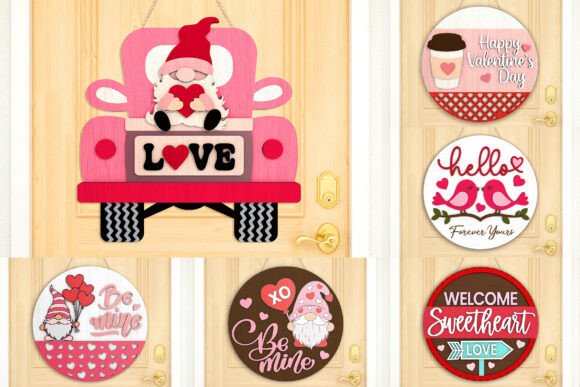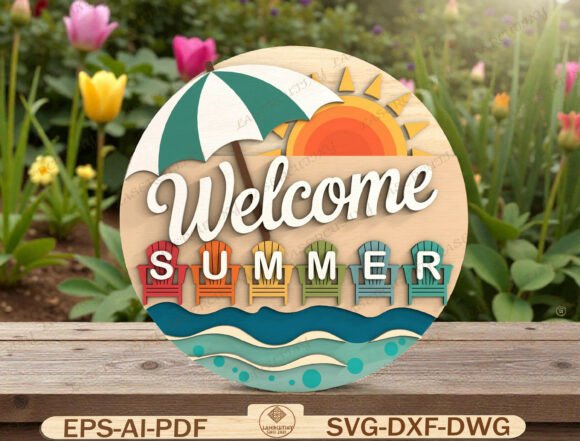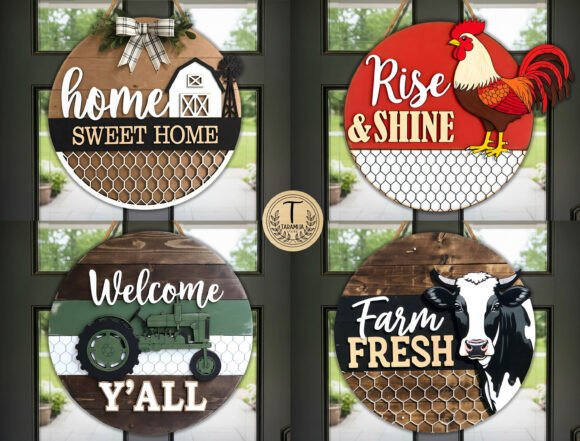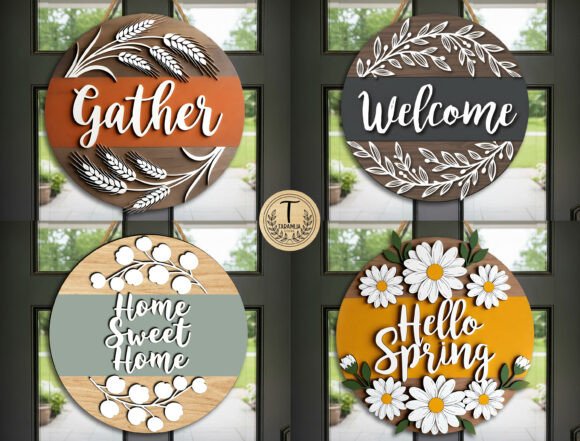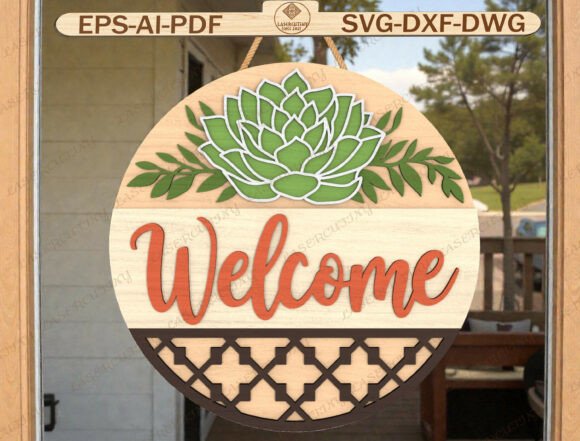
Welcome Round Door Hanger Laser Cut Review
As a designer who spends half the day staring at stitch charts and the other half troubleshooting tension issues on vintage machines, I don’t just look for "pretty" designs. I look for viability. Can this actually be stitched? Will it hold up after ten washes? Does it translate well from a digital preview to a tangible handmade product? Today, I’m breaking down the Welcome Round Door Hanger Laser Cut, a design that promises warmth and elegance through its layered lotus motif. While categorized under Signs and Laser Cutting, its structural integrity and aesthetic appeal make it a fascinating candidate for various embroidery projects, provided you understand how to approach it correctly.
First Impressions: Mood and Visual Personality
The moment you open the file, the intent is clear. This isn’t a frantic burst of energy; it’s an invitation. The round shape combined with the lotus flower creates a soft, organic silhouette that feels inherently welcoming. For those of us building a brand around cozy, boutique aesthetics, this visual personality is gold. It screams "entryway," but as I’ve found in my own studio, it can also whisper "nursery" or "spa retreat."
The layering described in the prompt suggests depth. In embroidery, layering is where the magic happens—and where the headaches begin. A simple flat applique is easy, but a layered design requires precision. The lotus petals likely rely on smooth curves rather than jagged angles, which means the satin stitch quality will define the entire piece. If your machine struggles with consistent tension, those petals might pucker. But if dialed in right, the result is a rich, textured focal point that elevates a basic tote bag into a statement accessory.
Real-World Application: Beyond the Front Door
While the name implies a door hanger, limiting this design to hanging decor feels like selling short. Let’s talk about how this machine embroidery design performs when applied to wearable art and gift items. Imagine this placed centrally on a heavyweight canvas tote bag. The round shape anchors the bag, and the lotus adds a touch of sophistication that appeals to the modern Etsy seller looking for unisex gifts.
I recently experimented with applying similar layered motifs to baby clothes. The gentle curves of the lotus are perfect for baby embroidery. It’s safe, soothing, and visually soft. When stitched onto a muslin blanket or a cotton onesie, the design doesn’t overwhelm the fabric; instead, it complements the softness of the material. Similarly, consider this for a kitchen towel or a tea towel. The "Welcome" aspect fits perfectly in a home setting, adding a personal touch to a functional item.
For the small business owner, versatility is currency. This design works beautifully as an embroidered patch that can be ironed or sewn onto denim jackets, beanies, or backpacks. The circular nature makes it easy to integrate into streetwear aesthetics without feeling out of place. It bridges the gap between traditional crafts and contemporary fashion trends.
Technical Considerations and Stitch Clarity
Let’s get practical. How does this design behave under the needle? The key here is stitch density. Layered designs often require dense fill stitches to cover the background fabric completely, especially if you’re using a contrasting thread color. If the density is too high, you risk puckering, particularly on lightweight fabrics. If it’s too low, the stabilizer might show through, ruining the clean finish.
You need to pay close attention to the satin stitch areas, particularly along the edges of the lotus petals and the text. Satin stitches are unforgiving; any slight deviation in hooping can result in a wavy, uneven edge. Before committing to a final product, always test the design on scrap fabric. Check how the running stitch details (if present) interact with the fills. Do they create enough contrast? Is there enough negative space to let the design breathe?
Another critical factor is the hoop size. Ensure the design fits comfortably within your machine’s maximum hoop dimensions without requiring multiple re-hooping sequences unless absolutely necessary. Re-hooping introduces alignment risks that can compromise the symmetry of the round shape. If the design is large, consider splitting it or choosing a smaller garment base.
Fabric and Stabilizer Choices
The success of this project hinges heavily on your substrate choices. Avoid thin, stretchy fabrics like jersey knits unless you are using a heavy-duty cut-away stabilizer. The weight of the embroidery threads can distort these materials over time. Instead, opt for stable natural fibers like cotton, linen, or blended canvases. These fabrics provide the necessary structure to support the layers of the lotus design.
When working with dark fabrics, thread color contrast becomes paramount. A light-colored lotus on a black background will pop, but ensure the underlay stitches are sufficient to prevent the dark fabric from showing through the lighter top threads. Conversely, on light fabrics, you might need a darker backing or a specific stabilizer to maintain opacity and crispness.
Where to Exercise Caution
Not every surface is created equal. There are specific scenarios where this design might struggle:
- Curved Surfaces: Applying this to caps or hats requires careful manipulation. The round shape may not lay flat against the curved front panel without distortion. Practice on cheap caps first.
- Textured Fabrics: Rough weaves or boucle fabrics can hide the fine details of the lotus petals. The intricate lines might get lost, making the design look muddy rather than elegant.
- Small Hoop Sizes: If you are trying to fit this into a 4x4 inch hoop, you may lose significant detail. The text and small petal tips might become indistinguishable blobs of thread. Always check the minimum recommended hoop size.
- Frequent Washing: For items like aprons or workwear that undergo heavy laundering, ensure the design is anchored properly. Loose threads can snag and unravel. Reinforce the edges with additional stitching if needed.
Commercial Viability and Branding
For the Etsy seller or craft business owner, this design offers strong commercial potential. It taps into the popular "boho chic" and "minimalist home" trends. The emotional resonance of a "Welcome" message paired with a symbol of purity and peace (the lotus) makes it highly giftable. It works exceptionally well for housewarming presents, wedding favors, or new mom gifts.
When creating printable mockups for your listings, focus on lifestyle shots. Show the design on a rustic wooden door, a cozy linen tote, or a neatly folded stack of towels. Help the buyer visualize the finished product in their own home. This reduces hesitation and increases conversion rates. Remember to review your licensing terms carefully. Ensure you have the right to sell physical items made from this digital embroidery file. Most designers allow personal use and limited commercial sales, but restrictions vary.
Final Verdict
The Welcome Round Door Hanger Laser Cut is more than just a sign pattern; it’s a versatile design asset with significant potential across multiple categories. Its strength lies in its balanced composition and emotional appeal. However, it demands respect from the embroiderer. You must choose your fabrics wisely, manage your stitch densities, and prioritize precision in execution.
If you are looking to expand your catalog with items that feel both handmade and professional, this design deserves a spot in your library. Test it thoroughly, play with different thread colors—from soft pastels to bold metallics—and see how it transforms simple materials into cherished keepsakes. Just remember: the best embroidery doesn’t just sit on the fabric; it enhances it. And with careful planning, this lotus motif certainly has the power to do exactly that.