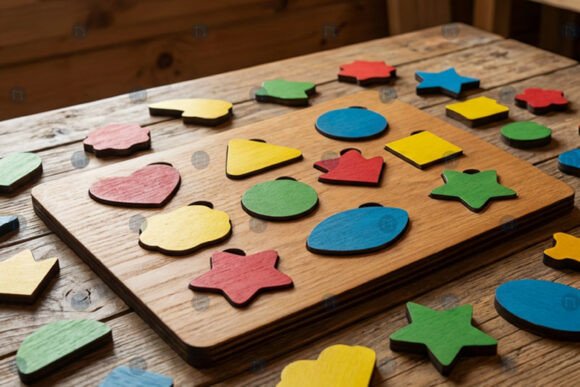
Reviewing the Laser Cut Shape Sorting Puzzle SVG
As a designer who spends half my day troubleshooting stitch errors and the other half trying to make handmade goods look expensive, I approach every new design file with a mix of curiosity and skepticism. When I first pulled up the Laser Cut Shape Sorting Puzzle SVG, my immediate reaction was less about embroidery mechanics and more about visual potential. The name suggests a geometric, playful aesthetic, but the real question is whether it translates well from a digital vector or laser-cut concept into a stitched textile product that feels premium rather than craft-store generic.
This review isn’t just about whether the file works in software; it’s about how it performs on fabric, how customers perceive the final product, and whether it fits into a commercial workflow for small business owners, Etsy sellers, or hobbyists looking to elevate their inventory. Below is a practical breakdown based on real-world application scenarios.
First Impressions: Mood and Visual Personality
The Laser Cut Shape Sorting Puzzle SVG carries a distinct modern, minimalist energy. It doesn’t scream for attention with overly complex florals or busy patterns; instead, it relies on clean lines, distinct shapes, and a sense of order. This makes it incredibly versatile. In terms of mood, it feels educational yet sophisticated—perfect for nursery decor, children’s apparel, or even modern home accents.
Visually, the design personality is crisp. It suggests precision. When you look at the layout, your eye is drawn to the negative space as much as the positive shapes. This is crucial for embroidery because it dictates how your thread colors will interact. A design this structured benefits greatly from high-contrast thread choices. If you were to stitch this out, the "laser cut" inspiration implies sharp edges and defined boundaries, which means your digitizing or machine settings need to respect those clean lines without letting them bleed into each other.
Real-Life Application: From Screen to Stitch
Let’s talk about where this design actually shines. I recently considered using a similar geometric puzzle motif for a custom embroidered tote bag aimed at parents buying back-to-school gifts. The idea was to create a tote bag design that felt like a toy but functioned as a durable accessory. The Laser Cut Shape Sorting Puzzle SVG fits this niche perfectly.
Imagine this applied to a heavy canvas tote. The geometric shapes could be filled with different colored threads, mimicking the look of physical sorting blocks. Alternatively, it could work beautifully as an embroidered patch sewn onto a denim jacket or a child’s sweatshirt. For sweatshirt embroidery, the clean lines stand up well against the texture of fleece or cotton blends, provided the hoop size is managed correctly.
It also has strong potential for baby embroidery. Soft bodysuits or muslin blankets featuring these shapes can serve as both decorative items and early learning tools. Parents love products that are aesthetically pleasing enough for their own Instagram feeds but functional enough for daily use. This design bridges that gap. It looks professional, not childish, which increases its perceived value in a boutique setting.
For commercial embroidery projects, such as branded merchandise for schools or daycare centers, this file offers a unique branding opportunity. Instead of a standard logo, a company might use a simplified version of the puzzle shape as a subtle watermark or accent. It adds depth to the brand identity without overwhelming the primary message.
Where Caution Is Required
No design is universally perfect, and the Laser Cut Shape Sorting Puzzle SVG has specific areas where it demands careful handling. Because the aesthetic relies on geometric precision, it does not forgive poor execution.
- Small Hoop Sizes: If you attempt to stitch this on a very small area, such as a cap front or a tiny wristband, the individual shapes may become too small to distinguish. The detail level requires enough surface area for the eye to register the "sorting" aspect. On caps or hats, ensure the curve of the fabric doesn’t distort the straight lines of the puzzle pieces.
- Textured and Stretchy Fabrics: While this design looks great on stable fabrics like cotton twill or felt, it can struggle on highly textured materials like bouclé or loose-knit jerseys. The thread may sink into the fabric, blurring the sharp edges that define the puzzle. Similarly, on stretchy knits, if the stabilizer isn’t robust enough, the geometric grid can warp during stitching, ruining the illusion of a precise laser cut.
- Dense Stitch Areas: If the design uses heavy fill stitches for the shapes, you risk creating a stiff, uncomfortable garment. For custom apparel, especially items worn close to the skin like baby clothes, lighter stitch densities or applique techniques are preferable. Dense satin stitches around intricate corners can also lead to puckering if not trimmed carefully.
- Dark Fabric Challenges: On dark backgrounds, ensuring thread contrast is vital. Low-contrast thread colors will get lost in the geometric complexity, making the design look muddy. Always test color combinations before committing to a production run.
Impact on Product Value and Customer Trust
In the world of Etsy sellers and small shop products, presentation is everything. The Laser Cut Shape Sorting Puzzle SVG lends itself well to high-quality mockups. Because the design is graphic and bold, it photographs exceptionally well. Customers scrolling through listings appreciate clear, visually striking images that show exactly what they are getting.
When a buyer sees a finished product with crisp, well-executed geometric embroidery, it signals professionalism. It suggests that the maker cares about details. This builds trust. Conversely, if the stitching is sloppy or the alignment is off, the "puzzle" theme suffers because the core appeal is order and fit. Therefore, the quality of your finish directly impacts customer satisfaction and reviews.
Furthermore, this design enhances giftability. Geometric and educational themes are timeless. Whether it’s a holiday gift for a toddler or a personalized wedding favor involving puzzle pieces, the design feels thoughtful. It encourages interaction, which creates a stronger emotional connection between the user and the product.
Practical Designer Notes for Execution
Before you load this file into your machine or send it to a printer, here are some essential steps to ensure success:
- Test on Scrap Fabric: Never go straight to your final product. Stitch the embroidery project on a scrap piece of the same material to check tension and stability.
- Check Thread Color Contrast: Use a black-and-white filter on your design preview to ensure the shapes remain distinct without color distraction.
- Inspect Small Details: Zoom in on the corners of the shapes. Are they sharp? Do they require excessive trimming? Adjusting the digitization slightly can save hours of post-production cleanup.
- Confirm Hoop Size: Ensure your embroidery machine’s hoop can accommodate the full width and height of the design without awkward re-hooping, which can misalign the pattern.
- Use Proper Stabilizer: For laser cutting inspirations translated to thread, stability is key. Use cut-away stabilizer for woven fabrics and tear-away for non-wovens, depending on the fabric weight.
- Review Licensing: If you plan to sell the finished items, double-check the license terms associated with the digital embroidery file. Some files are for personal use only, while others allow commercial sales of physical goods but not digital redistribution.
Ultimately, the Laser Cut Shape Sorting Puzzle SVG is a strong candidate for designers looking to add a touch of modern geometry to their repertoire. It balances playfulness with structure, making it suitable for a wide range of applications from home décor to personalized gifts. By paying attention to fabric choice, stitch density, and presentation, you can turn this digital asset into a standout physical product that resonates with buyers and elevates your brand.